
IBHS-Certified FORTIFIED™ Roofing Contractor in Utah
Storms hit hard year-round in Utah with high winds that tear at roof edges, heavy snow that stresses structures, and water that forces its way underneath shingles. In these conditions, roofs built to minimum standards show their weaknesses. Choosing an IBHS-certified fortified roofing contractor gives you a way to address those risks before they turn into expensive damage to your biggest investment—your home.
FORTIFIED roofing meets the strict standards of the Insurance Institute for Business & Home Safety (IBHS) designed to protect against the ways roofs fail during severe weather. Stronger attachments, sealed roof decks, and tested construction details all work together to reduce damage and protect your home’s interior.
Because they build to a higher standard, certified FORTIFIED roofing contractors in Utah, like BigHorn Roofing, offer homeowners more than a standard roof replacement. We help you prepare your home and give you confidence that your roof can perform during real storms rather than only under ideal conditions. If you value long-term durability and fewer emergency repairs, working with certified FORTIFIED home roofing contractors can help you do that.

What Is an IBHS-Certified FORTIFIED Roofing Contractor?

An IBHS-certified FORTIFIED roofing contractor installs roofing systems that meet standards established by the IBHS. These standards are based on decades of storm-damage research and real-world testing and help reduce the most common causes of roof failure during wind, snow, and water events.
When you choose a certified FORTIFIED roofing contractor, they can install your roof using tested and verified methods that reduce your risk. These methods include:
- Enhanced fastener patterns
- Sealed roof decks
- Reinforced edges that resist uplift
From underlayment to the shingles, it’s a roofing system designed to stay intact longer when storms strike.
If you search for a certified FORTIFIED roofing contractor near me, look for professionals who hold the coveted IBHS certification. While many installers strive to deliver top-quality roofs, certification signals that the installer understands IBHS requirements and follows documented procedures that improve roof performance.
Who IBHS-Certified FORTIFIED Roofing Is For
A FORTIFIED roof is designed to give homeowners long-term protection against severe weather, reduce maintenance headaches, and improve overall resilience. If you’re considering upgrading or building a new home, an IBHS FORTIFIED home roof installation may be right for you. Here are some of the situations where this service provides the most value:
Homes in High-Wind Zones
Strong winds can lift shingles, damage roof decks, and expose the structure beneath. FORTIFIED roofs use enhanced attachment methods that keep materials in place, reducing the risk of blow-offs and costly structural damage.
Homes With Heavy Snowfall or Ice Dam Concerns
Snow accumulation can lead to ice dams that allow water to seep under roofing materials. Sealed decks installed under FORTIFIED standards provide a secondary barrier that limits water intrusion even if shingles are compromised, protecting your home from leaks, rot, and interior damage.
Properties With a History of Leaks or Ongoing Repairs
If you’ve repeatedly patched your roof, a FORTIFIED roof provides long-term durability. Upgrading to IBHS-certified construction helps prevent recurring issues and reduces the need for frequent maintenance.
New Construction Projects
Builders and homeowners can integrate resilience from the start. Installing a FORTIFIED roof during new construction avoids costly retrofits later and ensures the home meets rigorous standards for wind and water protection from day one.
Those Seeking Trusted Expertise
Certification Ensures Your Contractor Has Proven knowledge and accountability. When evaluating roofing contractors, choosing an IBHS-certified FORTIFIED installer narrows the field to professionals who understand local weather risks and follow strict installation protocols.
Do Utah Homes Need FORTIFIED Roofs?
Utah’s climate is as unique and varied as its landscape. Its valleys and tall mountain peaks feed weather patterns that stress roofing in ways that many systems never address. Canyon winds generate uplift forces that attack roof edges. Snow accumulation increases load while freeze-thaw cycles push moisture into small gaps.
An IBHS-certified FORTIFIED roofing contractor in Utah installs roofs that resist those specific forces. Sealed roof decks provide an extra layer of protection against water intrusion caused by ice dams during harsh winters. Even if shingles or other surface materials are damaged by snow and ice, the sealed deck helps keep water from penetrating into the structure below, reducing the risk of rot, leaks, and interior damage.
Stronger attachment methods secure roofing materials against high winds and canyon gusts. Standard nails or staples can fail during wind storms, leaving the roof vulnerable, but FORTIFIED attachment systems help prevent blow-offs and minimize structural exposure. For Utah homes located in areas prone to canyon winds, where gusts can be sudden and intense, this helps keep shingles in place.
Homeowners who invest in IBHS FORTIFIED roofing in Utah often experience fewer storm-related issues and more predictable roof performance. Certification provides assurance that each layer of your roof works together rather than failing independently.
How a Certified FORTIFIED Roofing System Protects Your Home
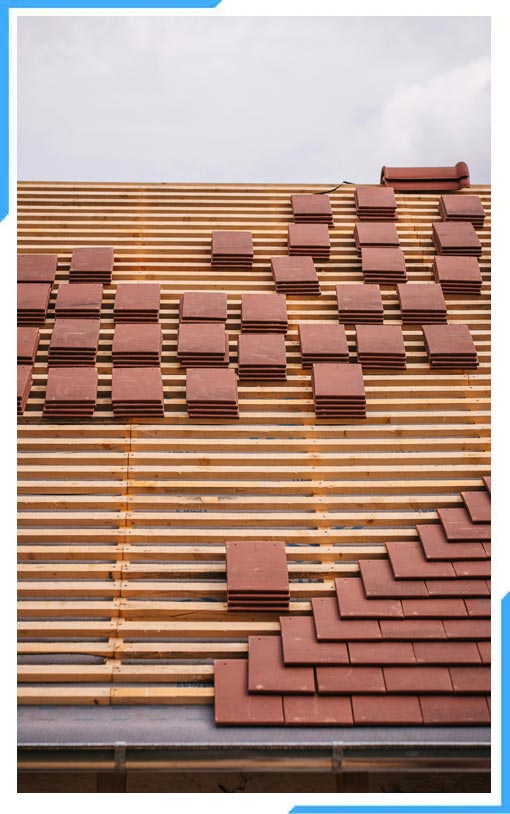
A FORTIFIED roofing system is designed as a complete, integrated solution, where every component works together to protect your home from extreme weather. Instead of prioritizing the strength of surface materials alone, the system combines multiple layers of reinforcement, ensuring that each part of the roof supports the next.
The first layer is the structurally reinforced deck that forms a strong foundation, while underlayment, flashing, and edge treatments create continuous barriers against water infiltration. Shingles or panels are then installed using enhanced fastening methods that complement the underlying structure, reducing the risk of wind uplift and minimizing damage from heavy snow, hail, or canyon winds.
Beyond individual components, the system also incorporates careful detailing around vulnerable areas such as valleys, eaves, and penetrations, ensuring that water flow is managed and wind pressures are dispersed across the roof rather than concentrated in weak points. This holistic approach reduces the likelihood of leaks, blow-offs, and interior damage, giving homeowners peace of mind even during Utah’s harshest storms.
By working with a FORTIFIED-certified roofer, homeowners gain a roof engineered for performance under pressure that balances strength, durability, and resilience to deliver protection that extends well beyond what surface materials alone can provide.
FORTIFIED Roofing for New Construction and Retrofits
A FORTIFIED roofing system is designed to deliver resilience, whether you’re building a new home or upgrading an existing roof.
When used in new construction homes, a FORTIFIED system integrates directly with the framing and decking, creating a continuous load path that distributes forces from the roof down through the walls. This seamless integration maximizes structural performance and ensures every layer of the roof works together to resist wind, snow, and ice damage.
For replacement or retrofit projects, look for a FORTIFIED certified roofer near me who can evaluate the existing roof to identify and correct vulnerabilities often missed in the standard installation. This may include reinforcing weak fastening points, filling underlayment gaps, and improving edge detailing.
Just because your home wasn’t built with a FORTIFIED roof doesn’t mean you can’t have one. Homeowners can upgrade protection at any stage, whether starting from scratch or reinforcing an older roof, resulting in a system engineered for long-term durability and performance under Utah’s demanding weather conditions.

Utah-Specific Roofing Expertise
Roof performance is about understanding the environment they face. Utah’s geography creates microclimates that influence roof performance and vary from neighborhood to neighborhood. A roof installed without consideration for local conditions can be more susceptible to leaks, wind damage, and accelerated wear.
BigHorn Roofing is a FORTIFIED certified Utah roofer with years of hands-on experience across Utah. From choosing the right materials to adjusting fastening, ventilation, and installation techniques, BigHorn ensures every roof is tailored to its location. That local knowledge means your home is protected against the stresses Utah weather can impose season after season.
When you’re searching for an IBHS-certified FORTIFIED roofing contractor near me, experience matters. BigHorn Roofing delivers both certification standards and a deep understanding of the region, giving homeowners confidence that their roof is built for the environment it actually lives in.
BigHorn Roofing’s Approach to FORTIFIED Roof Installation
BigHorn Roofing brings extensive expertise in FORTIFIED roofing, ensuring every project meets the rigorous standards set by the IBHS. They follow precise guidelines and documented procedures designed to create a fully integrated roof system, where every component works together to provide strength and resilience beyond what individual materials can offer.
This technical knowledge, combined with years of hands-on experience across Utah, ensures your roof is tailored to the local environment and built to perform under the state’s unique weather conditions. Many homeowners value the structured process and confidence that comes with working with an IBHS-certified FORTIFIED roofing contractor who understands Utah’s weather realities.
Beyond expertise, BigHorn Roofing is committed to delivering exceptional service and craftsmanship. Homeowners benefit from clear communication throughout the project, from initial inspection through final installation, and from a team that prioritizes quality, attention to detail, and thorough documentation.
Whether addressing complex installations or upgrades to existing roofs, BigHorn ensures the process is smooth, professional, and reliable, giving Utah homeowners confidence in a roof designed to protect both their home and their long-term investment.
Why Certification Sets Contractors Apart
Certification reflects commitment to higher standards. A certified FORTIFIED roofing contractor invests in training, documentation, and verified installation methods.
Homeowners looking for certified FORTIFIED home roofing contractors often value accountability and proven results. Certification reduces uncertainty and helps ensure your roof performs as intended during severe weather.
Choosing certified professionals supports long-term value and reduces the likelihood of preventable damage.
Long-Term Value and Peace of Mind
A certified FORTIFIED roof offers benefits that extend beyond installation day. Fewer repairs, improved storm resistance, and increased confidence during extreme weather all contribute to peace of mind.
Homeowners who work with an IBHS-certified FORTIFIED roofing contractor in Utah often find inspections easier and damage less severe after storms. They get reliability even when weather patterns become unpredictable.
Investing in certification means investing in resilience rather than reacting to failures later.
Frequently Asked Questions

What does it mean to be an IBHS-certified FORTIFIED roofing contractor?
IBHS certification means your contractor follows roofing standards developed by the Insurance Institute for Business & Home Safety to prevent the most common causes of roof failure during severe weather, including wind uplift and water intrusion. Certification confirms that the contractor understands and applies these methods correctly.
How is a FORTIFIED roof different from a standard code-compliant roof?
A standard roof meets minimum building code requirements, while a FORTIFIED roof is built to exceed those minimums in critical areas. It includes stronger attachment methods, sealed roof decking, and reinforced edges designed to reduce damage during storms. These upgrades directly address how roofs typically fail in high-wind and heavy snow conditions.
Is IBHS-certified FORTIFIED roofing worth it for Utah homes?
Utah homes face unique challenges such as high winds, heavy snow, and the risk of ice dams. A FORTIFIED roof is designed to handle these stresses more effectively than conventional roofing systems. Many homeowners find that the added durability and reduced repair risk justify the investment.
Can I install a FORTIFIED roof on an existing home?
Yes, FORTIFIED standards can be applied during a roof replacement on an existing home. The process often includes correcting hidden weaknesses uncovered during tear-off, such as improper fastening or underlayment gaps. This allows older roofs to gain modern storm-resistance features.
Does a FORTIFIED roof help prevent leaks during storms?
Yes, sealed roof decking is a core component of FORTIFIED roofing. This feature helps prevent water from entering your home, even if shingles or other surface materials are damaged. It significantly reduces the risk of interior water damage during severe weather events.
Are FORTIFIED roofs only for areas with hurricanes or coastal storms?
No, FORTIFIED standards are valuable in a wide range of severe weather conditions. In Utah, the system addresses wind-driven damage, snow accumulation, and ice dam formation. The principles are adaptable to inland and mountain climates.
How long does it take to install an IBHS-certified FORTIFIED roof?
Installation timelines are similar to traditional roof replacements, though some additional steps may add modest time. These steps focus on precision and documentation rather than speed. The result is a roof built for long-term performance rather than short-term convenience.
Does IBHS certification affect roof inspections or insurance considerations?
Many inspectors recognize FORTIFIED features as indicators of higher-quality construction. While insurance benefits vary by provider, a stronger roof can reduce the likelihood of claims and storm-related damage. Certification also provides documentation that supports the quality of the installation.
How do I know if a contractor is truly IBHS-certified?
A certified contractor can explain the FORTIFIED standards, describe how they apply them, and document the installation process. You should feel confident that the contractor understands the requirements and follows them consistently before hiring them for any project. Ask about training, inspection steps, and installation methods to confirm their expertise.
Connect With Our IBHS-Certified Roofing Team
If you want a roof built to withstand Utah’s toughest conditions, schedule a consultation with BigHorn Roofing today. You will work with an IBHS-certified FORTIFIED roofing contractor who delivers clear guidance, proven methods, and a roofing system designed for long-term protection.